Goldsboro Drunk Driving Accident Lawyers
A Team-Based Approach to Drunk Driving Victim Claims in Goldsboro
When a drunk driver injures you or someone you love, the civil claim that follows is separate from any criminal charges and it calls for focused, strategic advocacy. At Pittman Agner, we represent people injured by drunk drivers in North Carolina civil claims, deploying a coordinated team of attorneys that includes former prosecutors and investigators on every case. We work to capture every piece of evidence and pursue every available recovery avenue. Our legal team brings more than 60 years of combined experience to this work, and our attorneys have earned recognition from The National Trial Lawyers and Super Lawyers, including Managing Partner Dustin B. Pittman’s Top 10 Under 40 Award from the National Academy of Criminal Defense Attorneys. Senior Litigation Attorney Eric Doggett practices in both federal and state courts and is active in the North Carolina Advocates for Justice.
Call Pittman Agner today at (919) 893-0090 or contact us online to schedule a consultation with our drunk driving accident attorney in Goldsboro.
Drunk Driving Crashes in Goldsboro & North Carolina
Alcohol-impaired driving remains one of the leading causes of preventable traffic fatalities in North Carolina each year. Locally, NCDOT 2024 data recorded 1,333 reported auto crashes in Goldsboro, with 614 resulting in injury. Behind each number is a person facing medical bills, lost wages, and a recovery process that can stretch for months or years. Victims often suffer traumatic brain injuries, spinal fractures, and internal injuries that require extended rehabilitation.
Two deadlines shape how quickly victims need to act. Under N.C. Gen. Stat. § 1-52, North Carolina’s personal injury statute of limitations is three years from the date of injury. Wrongful death claims carry a shorter window of two years from the date of death. And if a bar or other establishment shares responsibility for what happened, the dram shop filing deadline is just one year. Acting promptly helps protect your ability to pursue every available avenue of recovery.
How to Prove Liability in a Drunk Driving Accident
Here is a general overview of proving liability in a drunk driving accident in North Carolina:
- Establishing Duty of Care: The first step is to establish that the defendant owed a duty of care to others on the road. In North Carolina, all drivers have a duty to operate their vehicles safely and follow traffic laws.
- Proving Breach of Duty: To prove liability, you must show that the defendant breached their duty of care. In drunk driving cases, this typically means demonstrating that the defendant was driving under the influence of alcohol or drugs, which impaired their ability to drive safely.
- Causation: You need to establish that the defendant’s breach of duty directly caused the accident and resulting injuries. This might involve presenting evidence such as witness testimonies, police reports, and expert opinions.
- Damages: Finally, you must prove the damages suffered as a result of the accident. This includes both economic damages (such as medical bills, property damage, and lost wages) and non-economic damages (such as pain and suffering).
Common Types of Evidence
In a drunk driving accident case, various types of evidence can be crucial for establishing liability and proving damages:
- Police Reports: These documents provide an official record of the accident, including details such as the time and location of the crash, statements from involved parties and witnesses, any citations issued, and observations of the responding officers regarding signs of intoxication.
- Breathalyzer or Blood Test Results: If the driver was arrested for suspicion of driving under the influence (DUI) or driving while impaired (DWI), their blood alcohol concentration (BAC) level at the time of the accident can be critical evidence. This is typically obtained through breathalyzer tests or blood tests administered by law enforcement.
- Field Sobriety Test Results: Law enforcement officers often conduct field sobriety tests at the scene of the accident to assess the driver’s coordination, balance, and cognitive abilities. Results of these tests can indicate impairment and support the claim of drunk driving.
- Witness Statements: Statements from witnesses who observed the accident or the behavior of the driver before the crash can provide valuable testimony regarding the driver’s condition, actions, and the circumstances leading up to the accident.
- Surveillance Footage: Video recordings from nearby security cameras or traffic cameras may capture the accident as it occurred, providing visual evidence of the events leading up to the crash and potentially revealing the driver’s behavior and impairment.
- Accident Reconstruction: Expert analysis and reconstruction of the accident scene can help establish factors such as the speed of the vehicles, the point of impact, and the sequence of events, which can contribute to determining liability.
- Medical Records: Documentation of injuries sustained by the victims in the accident, including medical reports, diagnostic tests, treatment records, and rehabilitation plans, can demonstrate the extent of the harm caused by the drunk driver.
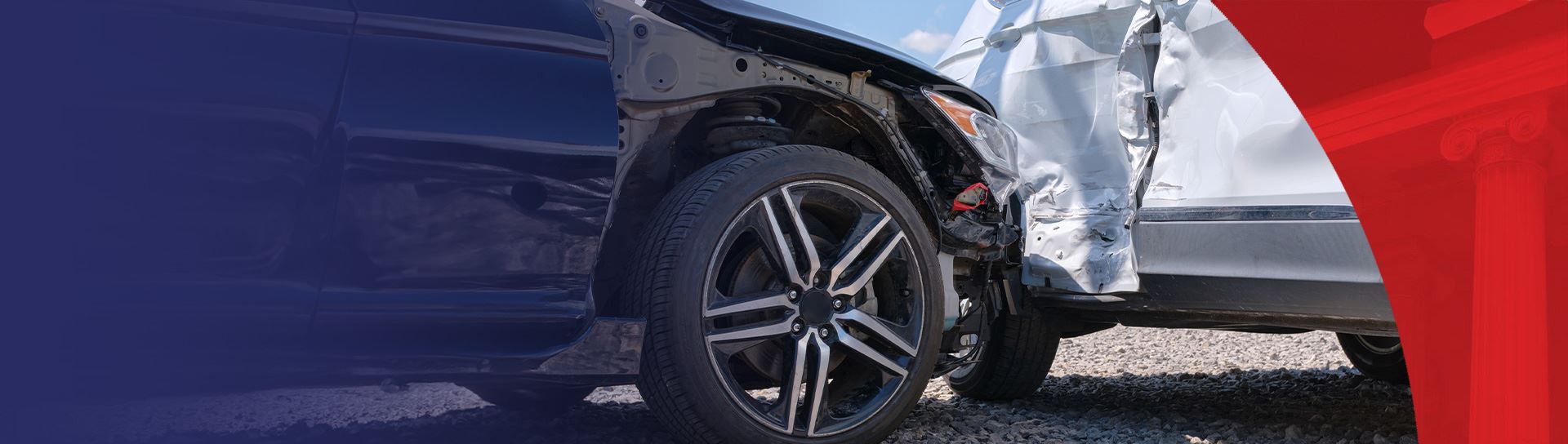
- Damage to Vehicles: Photographs of the vehicles involved in the accident can show the extent of the damage, which may help corroborate the severity of the collision and support the victims’ claims for compensation.
- Prior DUI Convictions or History: Information about any prior DUI convictions or a history of alcohol-related incidents involving the driver can be relevant to establishing a pattern of behavior and demonstrating negligence or recklessness.
North Carolina Dram Shop Law
Under N.C. Gen. Stat. § 18B-305, it’s unlawful to knowingly sell or give alcoholic beverages to any person who is intoxicated. This means a bar, restaurant, tavern, or other alcohol-serving establishment may be held liable if it served a visibly intoxicated patron who then caused injury. The statute requires that the establishment “knowingly” served alcohol to an intoxicated patron, though North Carolina appellate courts have also imposed liability where the sale was made negligently. Clear signs like slurred speech, an unsteady gait, or impaired coordination can help establish that knowledge.
There must also be a direct link between the patron’s intoxication, the service of alcohol by the establishment, and the harm that followed. Victims can file a dram shop claim against the drunk driver and the serving establishment at the same time and may be able to seek recovery from both. Social hosts at private parties or events may also face liability if they provided alcohol to a guest they knew or should have known was intoxicated and would be driving.
One deadline distinction matters enormously here. The statute of limitations for a dram shop liability claim in North Carolina is one year from the date of the accident. That’s significantly shorter than the three-year window for a general personal injury claim. If a bar or establishment may share responsibility for what happened to you, waiting even a few months can place that avenue at risk.
What Damages Could Be Recovered in a Drunk Driving Accident Claim?
Victims of drunk driving accidents may be entitled to recover a variety of damages, including:
Economic Damages
These are tangible, measurable losses that directly impact your financial situation, such as:
- Medical Expenses: Costs for hospital stays, surgeries, rehabilitation, physical therapy, and ongoing care.
- Lost Wages: Compensation for time missed from work because of injuries.
- Loss of Earning Capacity: If your injuries stop you from returning to work or pursuing your career.
- Property Damage: Costs to restore or replace your vehicle and other personal property that was damaged in the accident.
Non-Economic Damages
These damages compensate for intangible losses that are harder to quantify but no less impactful:
- Pain and Suffering: Physical pain and emotional suffering caused by the accident and resulting injuries.
- Loss of Consortium: Compensation for the negative effect the accident has on your relationship with a spouse or family.
- Emotional Distress: Psychological harm, which includes anxiety, depression, or post-traumatic stress disorder.
Punitive Damages
In instances involving extreme negligence, like drunk driving, courts could grant punitive damages to penalize the wrongdoer and prevent similar behavior in the future. These damages go beyond compensating the victim and serve as a warning to others.
Gross Negligence in Drunk Driving Accidents
North Carolina practices the policy of “contributory negligence,” which means even the slightest amount of fault on your part in an accident will negate your ability to recover damages. However, many drunk driving accident claims and lawsuits involve “gross negligence” on the part of the drunk driver. Where we show this to be the case, contributory negligence will not apply, meaning the drunk driver and/or his or her insurer can be held fully accountable for the losses and damages you sustained in the accident.
Why Goldsboro Drunk Driving Victims Choose Pittman Agner
Most law firms assign a single attorney to handle everything. We don’t work that way. At Pittman Agner, investigation, negotiation, and litigation happen in parallel across a coordinated team, including attorneys with backgrounds as former prosecutors and investigators who understand how insurers and opposing counsel build their defenses and how to counter them.
Partner John Agner brings personal commitment to every client he represents, finding reward in helping people through some of the hardest moments of their lives. That attitude runs throughout our firm. Clients have direct access to attorneys, paralegals, and support staff, not just a receptionist relaying messages. When a case development arises, our team mobilizes quickly and clients hear about it right away.
We explain everything in plain language so you can make informed decisions without needing a law degree to follow along. We treat every client the way we’d want a member of our own family treated: with honesty, compassion, and determined advocacy.
Contact Our Drunk Driving Accident Attorney in Goldsboro Today
The three-year personal injury deadline may feel distant right now, but the one-year dram shop deadline doesn’t leave much room to wait. If a bar, restaurant, or social host contributed to the crash, that claim can disappear before a general injury claim even approaches its limit. The sooner we review your case, the sooner we can identify every applicable deadline and every avenue of recovery. We’re prepared to take your case to trial if a fair settlement isn’t reached, and we offer a free case evaluation so there’s no cost to finding out where you stand.
Request a free case evaluation with our Goldsboro drunk driving accident lawyers by contacting Pittman Agner at (919) 893-0090.